
Do You Have Lower Back Pain During Squats and Deadlifts?
Trang Nguyen, 19 Mar 2018
During squats and deadlifts, one of the most common injury sites is the lower back - And this is often quite debilitating because it can have a high rate of re-occurrence and force you to have time-off.
If you're experiencing lower back pain during squats or lower back pain after deadlift sessions, you're not alone. Lower back pain affects up to 59% of all weightlifting injuries, but the good news is that with proper technique, muscle activation, and smart training habits, you can lift pain-free.
Lower back pain can be difficult to fix, because it can have multiple causative factors. If you are feeling your lower back during or after squats and deadlifts, check:
Know the Difference: Good vs Bad Pain
Normal muscle soreness: Bilateral dull ache, improves with movement, gone within 24-48 hours
Warning signs (stop immediately): Sharp pain, numbness or tingling in legs, radiating pain down legs (sciatica), pain worsens with coughing
1. Your technique
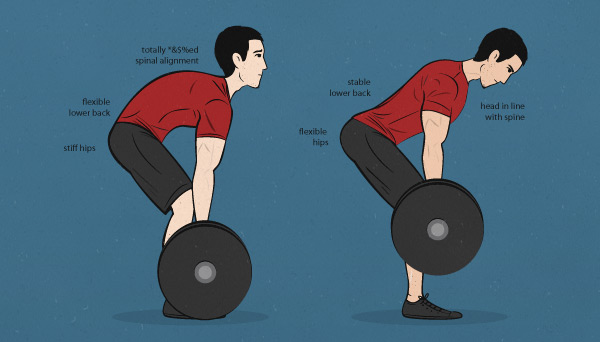
Of course, poor technique will load the spine excessively. Make sure you have a neutral spine during your squats and deadlifts, and that there is no rounding or arching throughout your reps.
Common form faults:
"Butt Wink" - Pelvis tucks at bottom causing lower back rounding. Fix: Limit depth, improve hip mobility, strengthen glutes (3 sets × 15 bridges, 3x/week)
"Good Morning" fault - Hips rise before chest. Fix: Frankenstein squats (3 sets × 6-10 reps for 3-4 weeks)
2. Muscle activation
Many lifters can lift big weights but struggle to activate their core and glutes on demand. Get these muscles strong and it will help to offload the back muscles during your lifts. Plus these powerful muscles will allow you to lift more!
The McGill Big 3 protocol (developed by spine researcher Dr. Stuart McGill):
Modified curl-up: 5-6 reps × 10-second holds
Side plank: 3 sets × 10-second holds each side
Bird dog: 3 sets × 5 reps each side Perform 3-4 times per week before heavy squats/deadlifts.
3. Lumbo-pelvic co-ordination
Practice isolated pelvic movements (Anterior and posterior pelvic tilting) because if you don't have the coordination in standing, how are you going to stabilise your spine under a heavy barbell?
Daily practice: Pelvic tilts (2 sets × 10), cat-cow stretches (2 sets × 40 seconds), hip hinge with PVC pipe (2 sets × 10 reps)
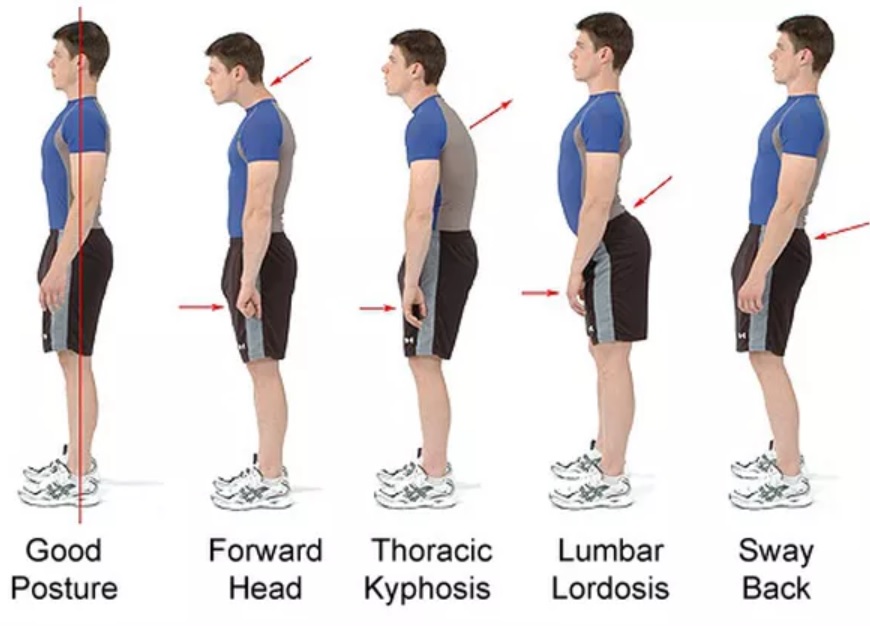
4. Your daily postures
Even if you're practising the above religiously, but still slump at your desk or lift things at home by bending and twisting your back without bracing properly, the other 23 hours of your life will override 1 hour of 'good' technique at the gym.
Key habits:
Ergonomic workstation (monitor at eye level, feet flat)
Standing breaks every 30-45 minutes
Proper lifting mechanics at home - hip hinge, not back bend
Brace core before lifting anything heavy (groceries, children, furniture)
10-Minute Pre-Squat Warm-Up
Mobility (5 min): Cat-cow stretches (2 × 40s), hip circles, ankle dorsiflexion
Activation (3 min): Glute bridges (2 × 15), dead bugs (2 × 10), bird dogs (2 × 5)
Progressive loading: Empty bar (10 reps) → 33% working weight (8) → 66% (5) → working weight
Get Expert Support at Training Day Gym
At Training Day Gym, our certified trainers can assess your squat and deadlift form, identify weakness patterns, and create personalised programmes to help you lift pain-free.
Personal training services with movement assessments
Strength training classes with form feedback
Try these tips to get your lower back pain under control! By addressing technique faults, building muscle activation through the McGill Big 3, improving coordination, and maintaining good daily postures, you can lift safely and continue making progress toward your strength goals.
Try these tips to get your lower back pain under control! Goodluck!
Would you like us to run a quick workshop on a similar topic? We're debating whether or not it would be helpful to you. If you'd like us to run one, or have similar issues, vote yes for the workshop. By replying this email (info@trainingdayhc.com.au) just say "Yes for the lower back workshop".
If we get enough interest, we will run it!
Team TD